 English
 Esperanto
  Afrikaans
  Català
  שפה עברית
  Cymraeg
  Galego
  Latviešu
  icelandic
  ייִדיש
  беларускі
  Español
  Português
  русский
  Français
  日本語
日本語  Deutsch
  tiếng Việt
  Italiano
  Nederlands
  ภาษาไทย
  Polski
  한국어
한국어  Svenska
  magyar
  Malay
Malay  বাংলা ভাষার
  Dansk
Dansk  Suomi
Suomi  हिन्दी
  Pilipino
  Türkçe
  Gaeilge
  العربية
  Indonesia
  Norsk
Norsk  تمل
تمل  český
český  ελληνικά
  український
  Javanese
  فارسی
فارسی  தமிழ்
தமிழ்  తెలుగు
  नेपाली
  Burmese
  български
  ລາວ
ລາວ  Latine
  Қазақша
  Euskal
  Azərbaycan
  Slovenský jazyk
  Македонски
  Lietuvos
  Eesti Keel
  Română
  Slovenski
  मराठी
मराठी  Srpski језик

Home
>
Products > Aluminum Windows and Doors
> Aluminum windows
>
Thermal Break Aluminum Alloy Windows
Products
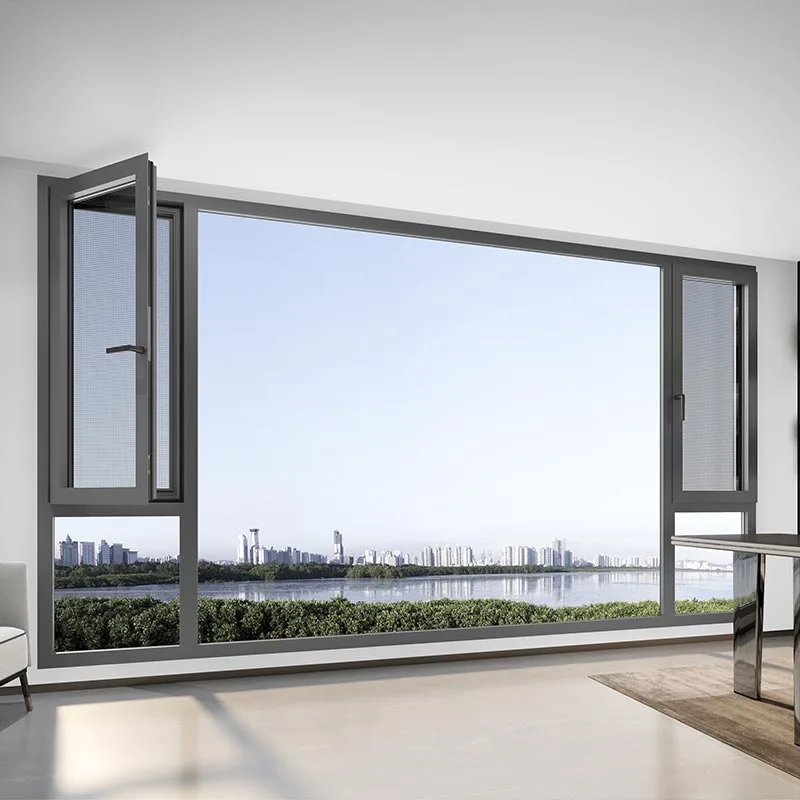
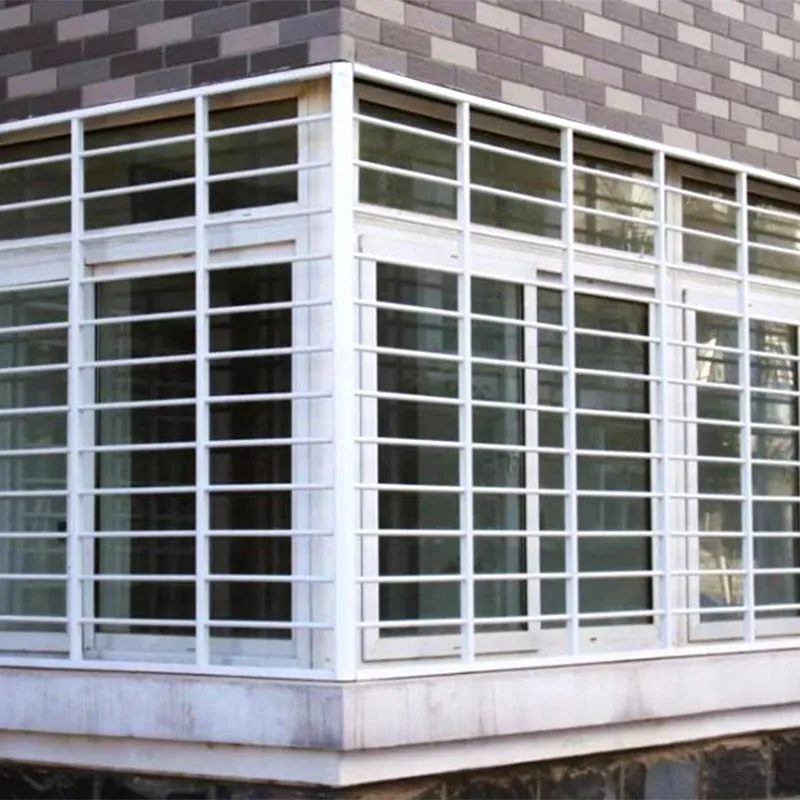
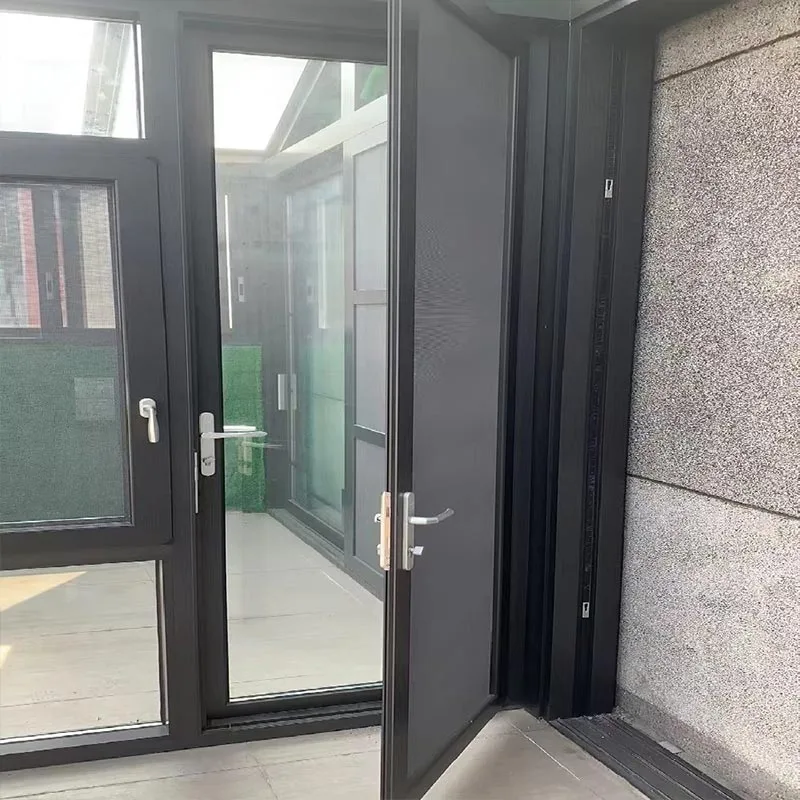
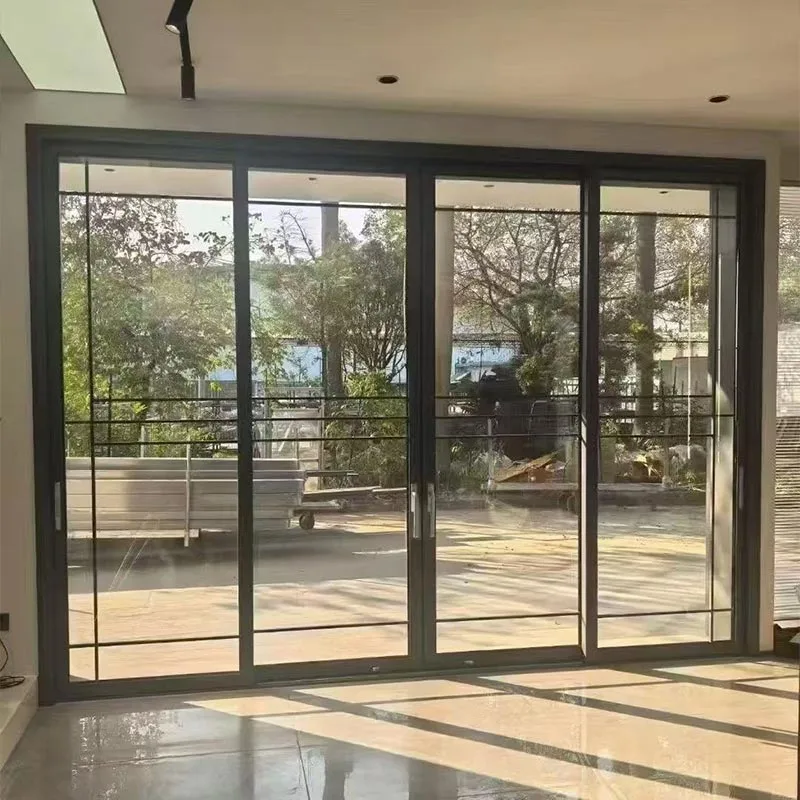
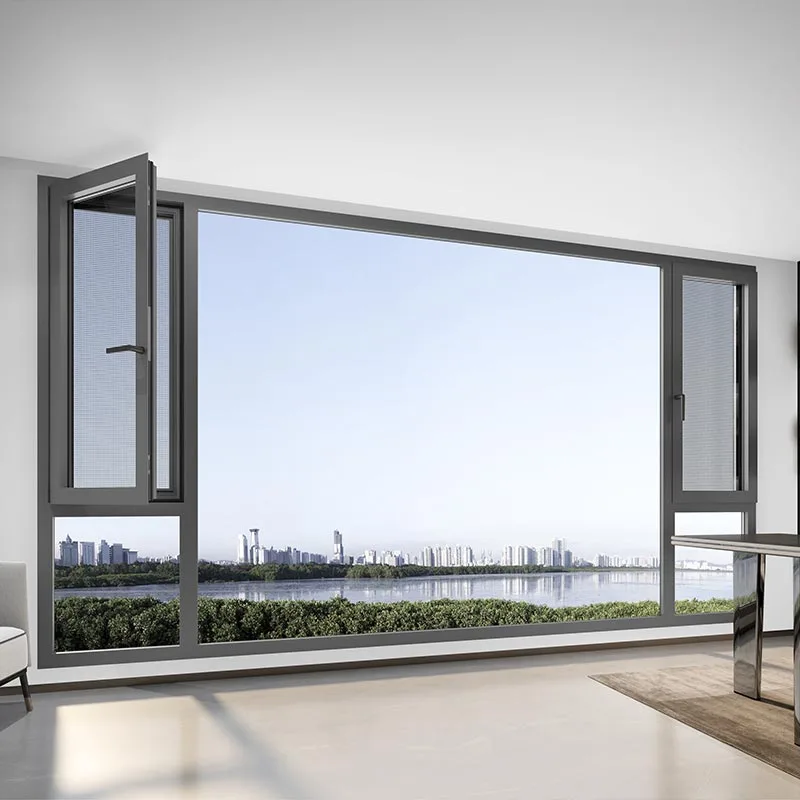
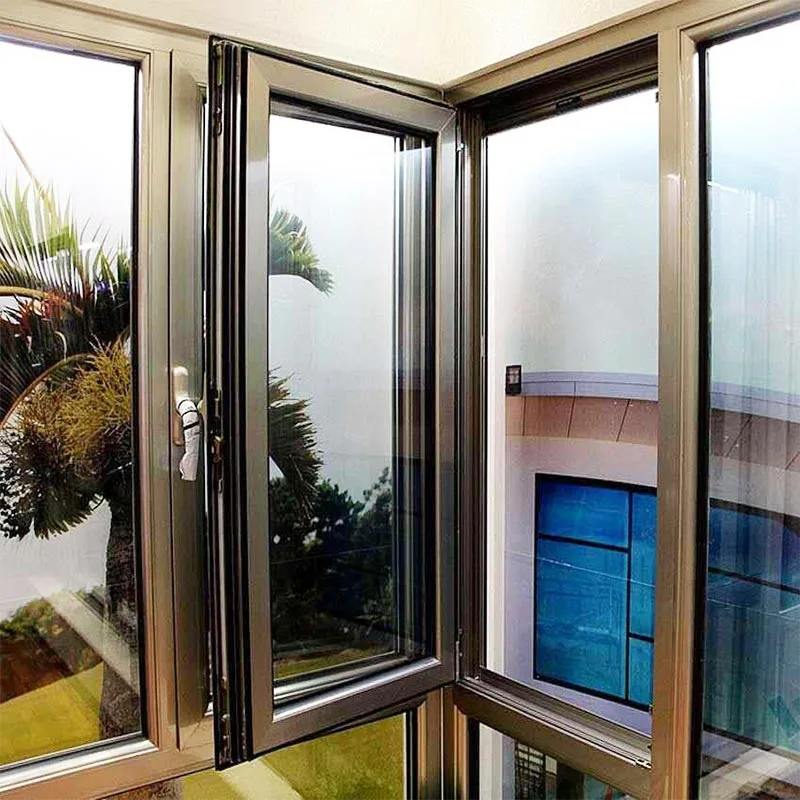
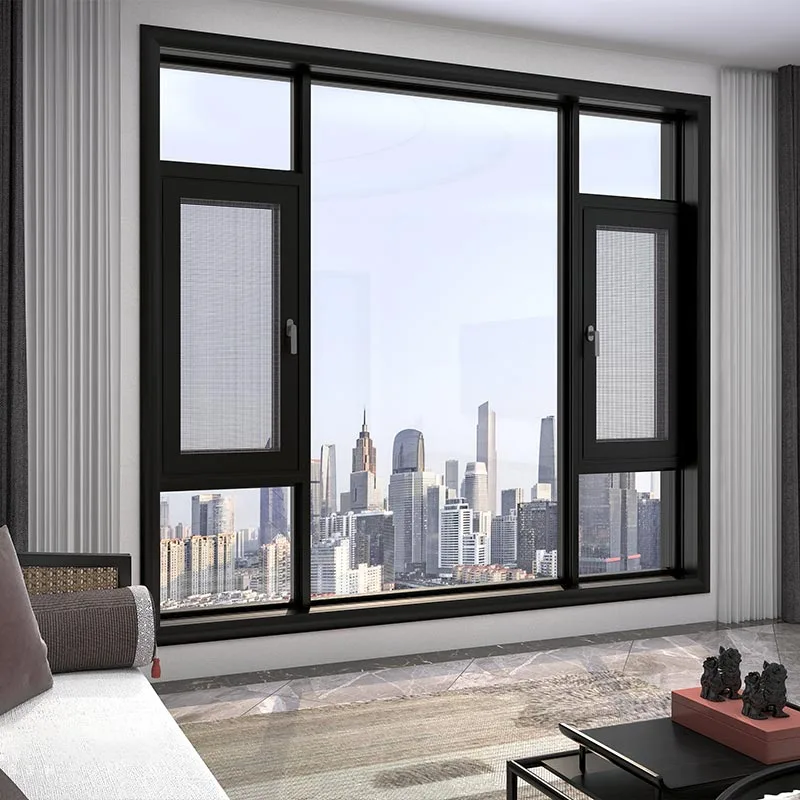
Thermal Break Aluminum Alloy Windows
Mingjue Metal is a professional manufacturer and supplier of Thermal Break Aluminum Alloy Windows in China, offering wholesale and customized thermally broken windows. Utilizing high-strength aluminum alloy profiles combined with PA66 nylon thermal break strips, they achieve superior thermal insulation performance, with a heat transfer coefficient as low as 1.8 W/m²·K, resulting in significant energy savings. Equipped with a multi-chamber sealing structure and EPDM rubber strips, they achieve an airtightness rating of 8, a watertightness rating of 6, and a wind pressure resistance rating of 9, ensuring safe use in extreme weather conditions.
Send Inquiry
Product Description
What are Thermal Break Aluminum Alloy Windows?
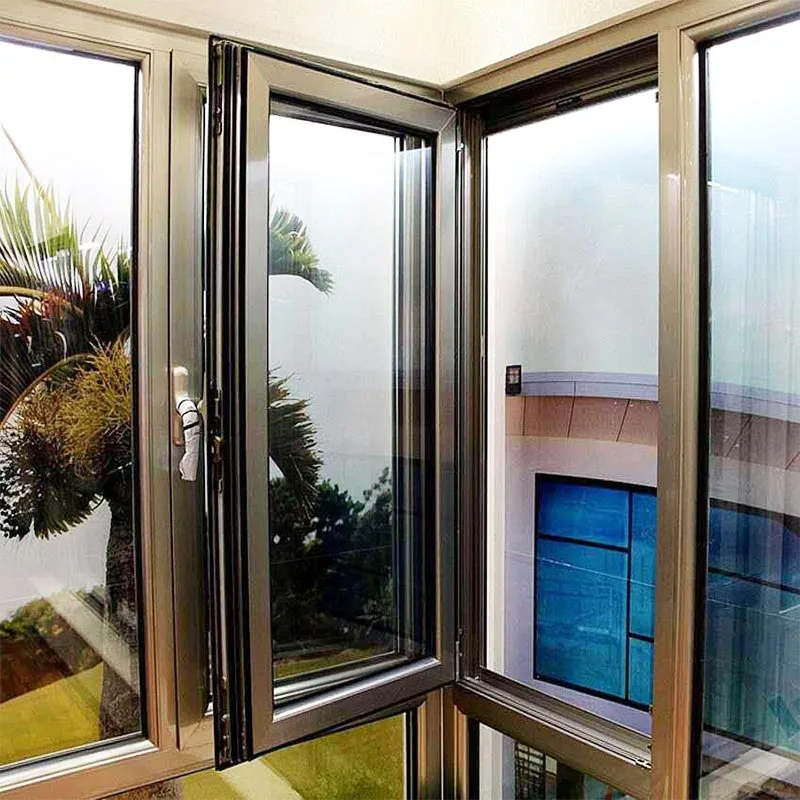
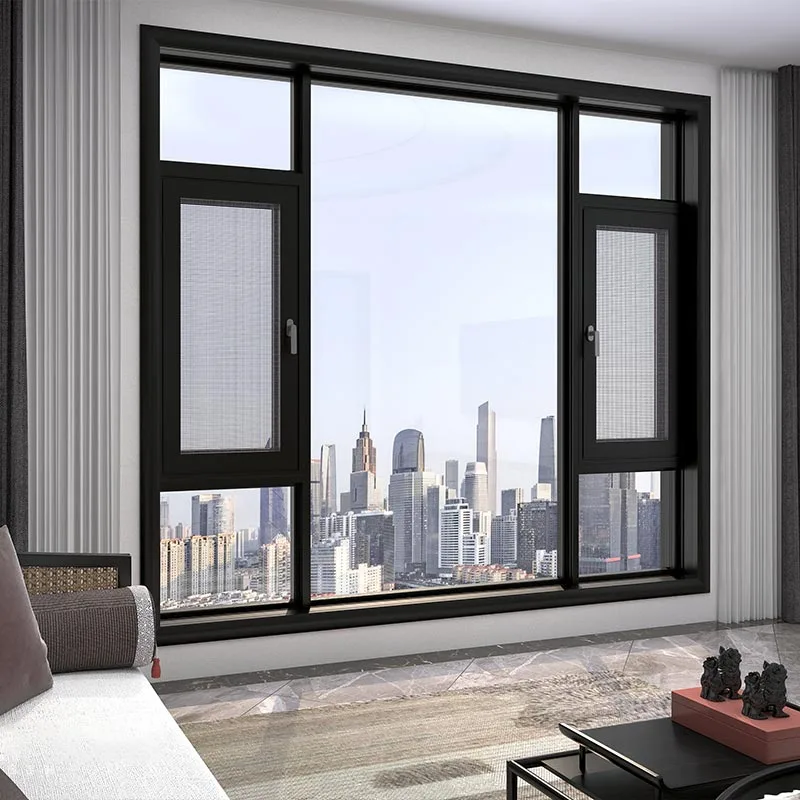
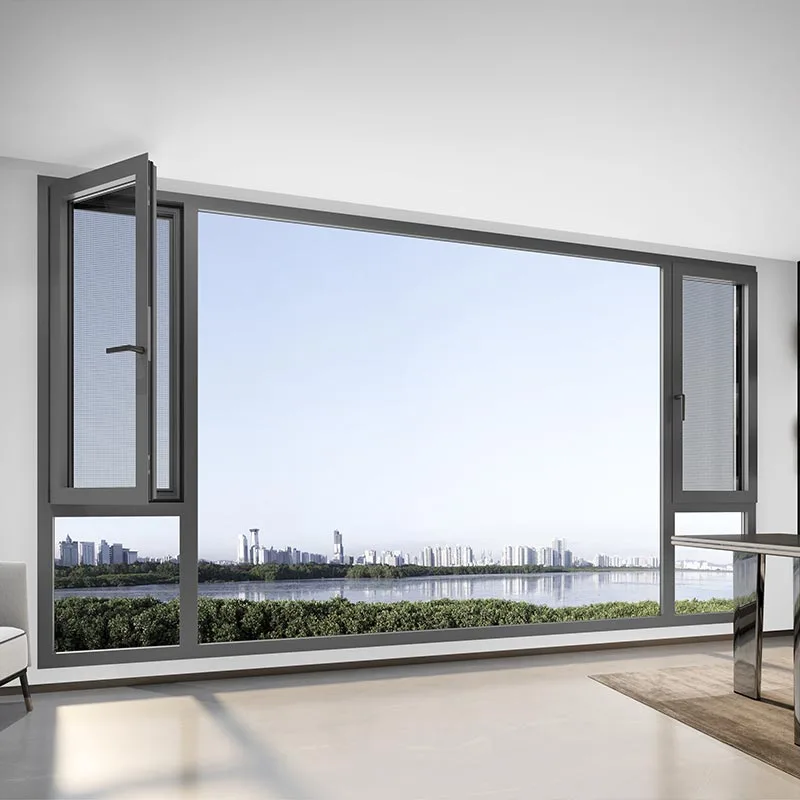
MG Metal's factory-quality Thermal Break Aluminum Alloy Windows (also known as Thermal Break Aluminum Alloy Windows) are energy-saving building windows developed based on "thermal break" technology. The core definition is: by embedding a low thermal conductivity thermal break strip (mainly PA66 nylon thermal break strip, containing 25% glass fiber reinforcement) within the aluminum alloy profile, the profile is divided into independent indoor and outdoor structures, forming a composite cavity of "aluminum-thermal break strip-aluminum," thus structurally cutting off the metal's heat conduction path.
Its core features include:
1. Structural Principle: Thermal Break Aluminum Alloy Windows embeds low thermal conductivity thermal insulation strips within aluminum profiles, forming an "aluminum-thermal insulation strip-aluminum" composite cavity. This effectively blocks thermal bridges, solving the problems of rapid heat conduction and poor insulation in traditional aluminum windows, while retaining the advantages of aluminum's strength and ease of processing.
2. Material Standards: All Thermal Break Aluminum Alloy Windows profiles comply with GB/T 5237-2017 national standard requirements, with a wall thickness of 1.4–2.0mm. The thermal insulation strip is made of PA66 material, combined with double-glazed windows (commonly 5mm+20A+5mm structure) and EPDM sealing strips to construct a complete thermal insulation, sound insulation, and waterproof system.
3. Stable Performance: Thermal Break Aluminum Alloy Windows achieves thermal insulation (K-value 2.23–2.94 W/(m²·K)) and sound insulation (30–40 W/(m²·K)) through multi-cavity design and multiple seals. Features include resistance to air pressure (dB), burglarproofing, waterproofing, and condensation prevention, meeting green building energy-saving requirements.
Applicable Scenario
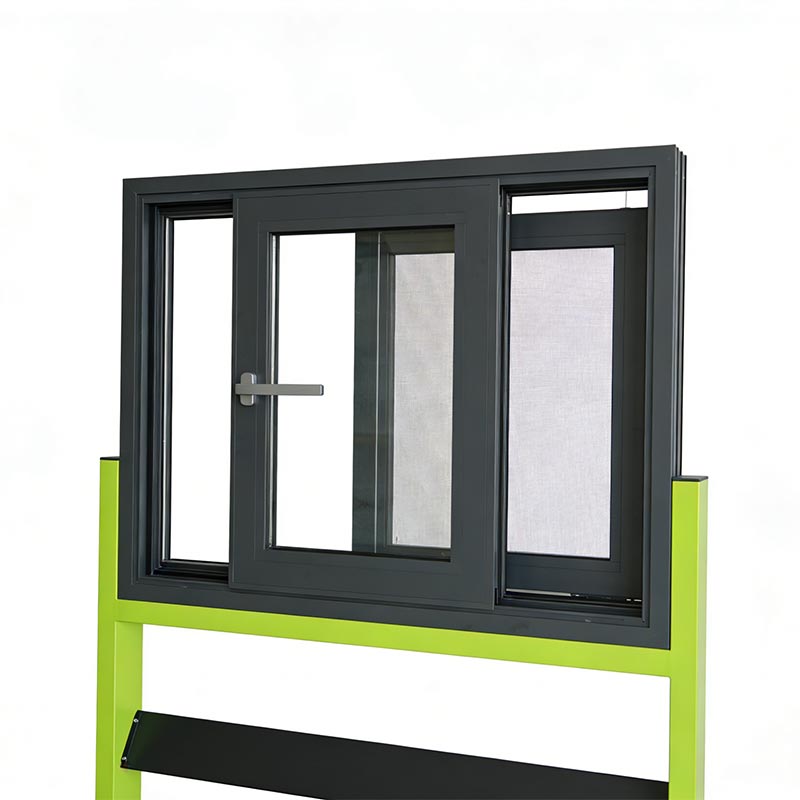
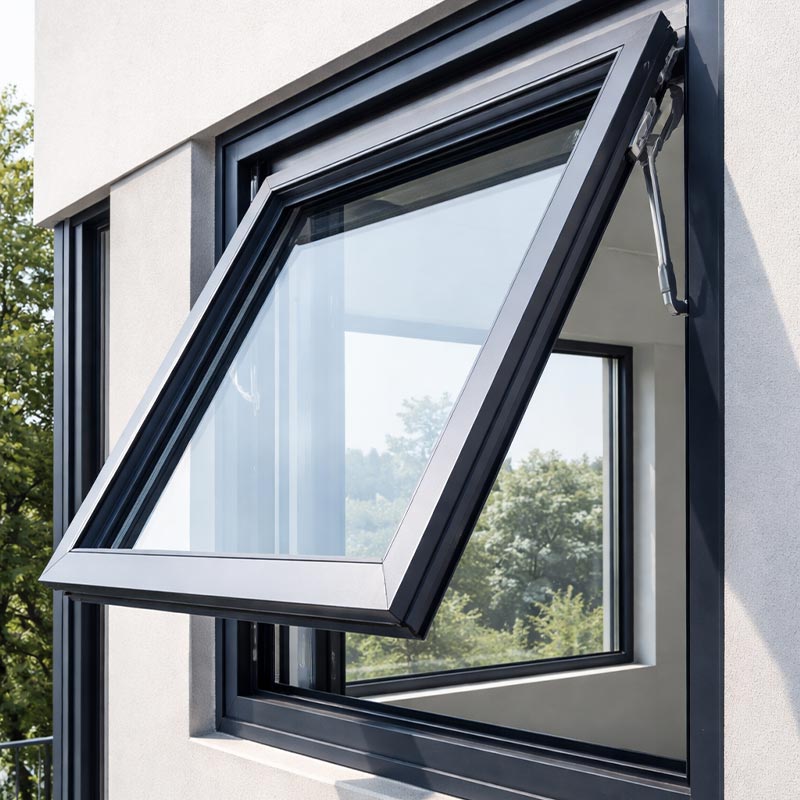
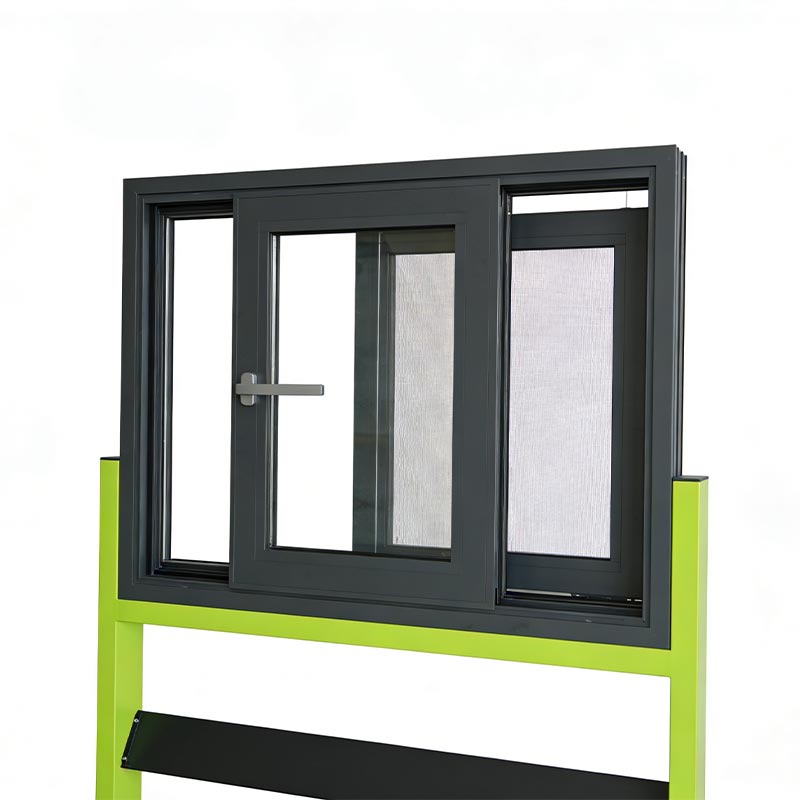
Thermal Break Aluminum Alloy Windows are suitable for residential buildings, commercial buildings, high-rise projects, and other scenarios. They are especially suitable for environments with large temperature differences, severe noise pollution, or high energy-saving requirements. They can be designed as casement windows, sliding windows, and other opening methods according to needs, and support personalized customization.
Production Process
Step 1: Raw Material Procurement and Incoming Inspection
The core is the selection of high-quality raw materials and compliance testing, which is the fundamental guarantee for the performance of Thermal Break Aluminum Alloy Windows. Only core raw materials that meet national standards are used, and inferior substitutes are rejected.
1. Raw Material Procurement: 6063-T5 virgin aluminum profiles (mainstream 2.0mm wall thickness for home decoration/engineering), PA66 nylon thermal insulation strips (containing 25% glass fiber reinforcement), Xinyi 3C certified tempered glass, EPDM composite foam sealing strips, hardware from brands such as Paige/Ruinas, glued corner brackets, 304 stainless steel mesh, etc.;
2. Incoming Inspection: Verify raw material qualification certificates (such as glass 3C certification, profile material test reports), measure profile wall thickness, thermal insulation strip thermal conductivity, and glass thickness, and screen out deformed and defective raw materials to ensure that each batch of raw materials meets production standards.
Step 2: Precision Machining of Aluminum Profiles (Blanking/Milling/Punching)
Fully CNC machining ensures dimensional accuracy, catering to the size requirements of personalized home decoration customization and standardized mass production in engineering projects, with errors controlled within 0.1mm.
1. CNC Blanking: Based on design drawings (custom/engineering orders), CNC precision cutting saws are used to cut aluminum profiles to a fixed length. After cutting, the end faces of the profiles are deburred to prevent scratching subsequent components.
2. Precision Milling: CNC milling machines are used to machine hinge grooves, thermal insulation strip grooves, drainage grooves, locking point grooves, etc., ensuring precise groove depth and position, laying the foundation for subsequent assembly.
3. CNC Punching: CNC punching machines are used to machine mounting holes and connection holes for window frames and sashes, avoiding the hole position deviations of manual punching and ensuring secure installation of hardware and accessories.
Step 3: Core Thermal Break Process – Thermal Insulation Strip Insertion and Profile Rolling Composite
This is the core process in producing Thermal Break Aluminum Alloy Windows, directly determining its thermal insulation performance. This process creates a composite thermal break structure of "aluminum-thermal insulation strip-aluminum," cutting off the metal's heat conduction path.
1. Thermal Insulation Strip Insertion: PA66 nylon thermal insulation strips are precisely and smoothly inserted into the dedicated thermal insulation grooves of the aluminum profile, ensuring a tight fit between the strip and the groove without looseness or misalignment.
2. CNC Rolling Composite: The aluminum profile with the thermal insulation strip inserted is placed in a CNC rolling machine. Rolling presses the aluminum profile and thermal insulation strip together tightly, forming a single thermally broken aluminum profile. After lamination, the composite strength is tested to prevent delamination or separation during later use, ensuring stable thermal insulation performance.
Step 4: Corner Assembly and Cavity Sealing Reinforcement
Utilizing a "corner assembly with adhesive injection + cavity optimization" process, this method is suitable for the wind pressure resistance and waterproofing requirements of various scenarios, including high-rise buildings and villas.
1. Corner Assembly Positioning: The pre-fabricated thermally broken aluminum profiles are assembled into window frames and sashes according to the design drawings. Special adhesive injection corner brackets are used to connect the corners of the profiles, ensuring the frame is square and free from deformation.
2. High-Pressure Adhesive Injection: Corner assembly adhesive is injected under high pressure into the gaps between the corner brackets and the profiles. After the adhesive fills the gaps and cures, a sealed structure is formed at the corners, enhancing the overall strength of the frame and preventing rainwater from seeping in from the corners.
3. Cavity Treatment: Insulation cotton is filled into the profile cavities as needed to further improve thermal insulation. Simultaneously, drainage nets are installed in the drainage holes to prevent insects and debris from entering the cavities and clogging the drainage system.
Step 5: Customized Insulating Glass Processing and Sealing
Glass is the core component of Thermal Break Aluminum Alloy Windows, providing sound insulation, heat insulation, and light transmission. Factory-customized processing ensures a tight seal, preventing fogging and water ingress later.
1. Basic Glass Processing: Tempered glass is cut to order dimensions. Edges are ground and chamfered to prevent spontaneous breakage and scratches after tempering.
2. Insulating Glass Assembly: The insulating glass frame is constructed using an integrated bent aluminum strip. The cut glass is then assembled with the aluminum strip, filled with desiccant, and butyl sealant is injected for the first seal. Polysulfide sealant/structural adhesive is applied to the outside for a second seal, forming a 5mm + 20A + 5mm (mainstream specification) insulating glass unit.
3. Inert Gas Filling: For high-end customized and project orders, argon gas is filled into the insulating glass cavity to improve heat and sound insulation performance and reduce condensation.
Step 6: Window Assembly – Glass Installation and Accessory Installation
This is a modular assembly process, strictly adhering to the principle of "multiple seals and secure fit" to ensure the overall sealing performance and operational stability of the window.
1. Glass Installation: The processed insulated glass is embedded into the glass groove of the window frame/sash. EPDM sealing strips are installed between the glass and the profile, and then secured with glass pressure strips to form the first layer of seal.
2. Accessory Installation: EPDM composite foam sealing strips are installed sequentially (at profile joints and opening gaps) to achieve multiple seals for the entire window. Simultaneously, 304 stainless steel mesh sashes are installed to meet protection and ventilation needs.
Step 7: Hardware Installation and Opening Function Debugging
The hardware directly determines the smoothness of the window's opening, its anti-theft properties, and its durability. After installation, the entire process is debugged to ensure a smooth user experience.
1. Hardware Assembly: Install branded hinges, handles, locking points, transmission mechanisms, and other hardware accessories according to design requirements. All screws are reinforced to prevent loosening later.
2. Functional Debugging: Repeatedly debug the push-pull, swing-open, and locking functions of the Thermal Break Aluminum Alloy Windows to ensure smooth opening, secure locking, and uniform gaps. Simultaneously, debug the limit switch to prevent excessive opening angles and safety issues, adapting to the usage needs of different scenarios such as residences, schools, and retirement communities.
Step 8: Finished Product Full Inspection and Packaging The final core checkpoint before shipment.
Only after passing all inspections can the product be packaged and shipped, ensuring that the Thermal Break Aluminum Alloy Windows delivered to the customer are free of quality problems and meet the quality control requirements of bulk purchases.
1. Full Inspection: The entire window undergoes a visual inspection (checking paint, seams, and the neatness of accessory installation), performance sampling (water tightness, air tightness, and wind pressure resistance, tested according to national standards), and functional re-inspection (reconfirming opening, locking, and sealing gaps).
2. Finished Product Packaging: Qualified windows are wrapped with pearl cotton and protective film, and rigid corner protectors are added to the frame corners to prevent damage and deformation during transportation. Packaged in batches according to the purchase order, each batch includes installation drawings, accessory packages, and a product certificate.
3. Logistics and Delivery: Logistics and delivery are arranged according to order requirements, suitable for single-piece delivery for customized home decoration and full-truckload delivery for bulk project purchases, ensuring the safe delivery of products to the installation site.
Hot Tags: Thermal Break Aluminum Alloy Windows
Related Categories
Send Inquiry
Please feel free to fill your inquiry in the form below. We will reply you in 24 hours.
-
E-mail
X
We use cookies to offer you a better browsing experience, analyze site traffic and personalize content. By using this site, you agree to our use of cookies.
Privacy Policy