 English
 Esperanto
  Afrikaans
  Català
  שפה עברית
  Cymraeg
  Galego
  Latviešu
  icelandic
  ייִדיש
  беларускі
  Español
  Português
  русский
  Français
  日本語
日本語  Deutsch
  tiếng Việt
  Italiano
  Nederlands
  ภาษาไทย
  Polski
  한국어
한국어  Svenska
  magyar
  Malay
Malay  বাংলা ভাষার
  Dansk
Dansk  Suomi
Suomi  हिन्दी
  Pilipino
  Türkçe
  Gaeilge
  العربية
  Indonesia
  Norsk
Norsk  تمل
تمل  český
český  ελληνικά
  український
  Javanese
  فارسی
فارسی  தமிழ்
தமிழ்  తెలుగు
  नेपाली
  Burmese
  български
  ລາວ
ລາວ  Latine
  Қазақша
  Euskal
  Azərbaycan
  Slovenský jazyk
  Македонски
  Lietuvos
  Eesti Keel
  Română
  Slovenski
  मराठी
मराठी  Srpski језик


What is the Lifespan of Aluminum Windows and Doors?
The service life of aluminum windows and doors is usually between 15 and 50 years, depending on the type of door and window, material quality, and usage environment. Ordinary aluminum alloy doors and windows have a relatively short lifespan, while broken bridge aluminum doors and windows have a longer lifespan due to their structural advantages.
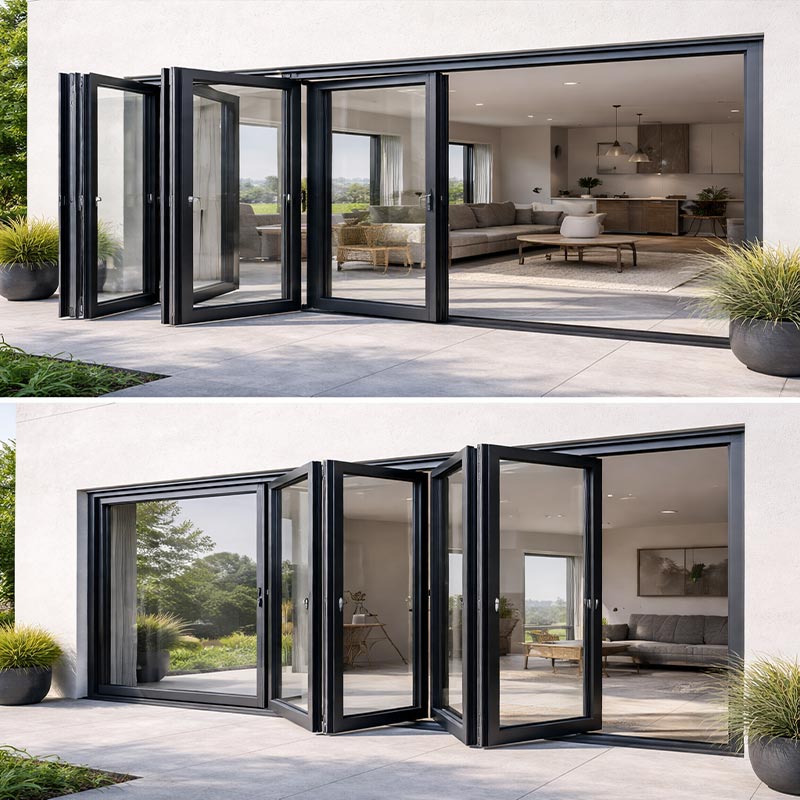
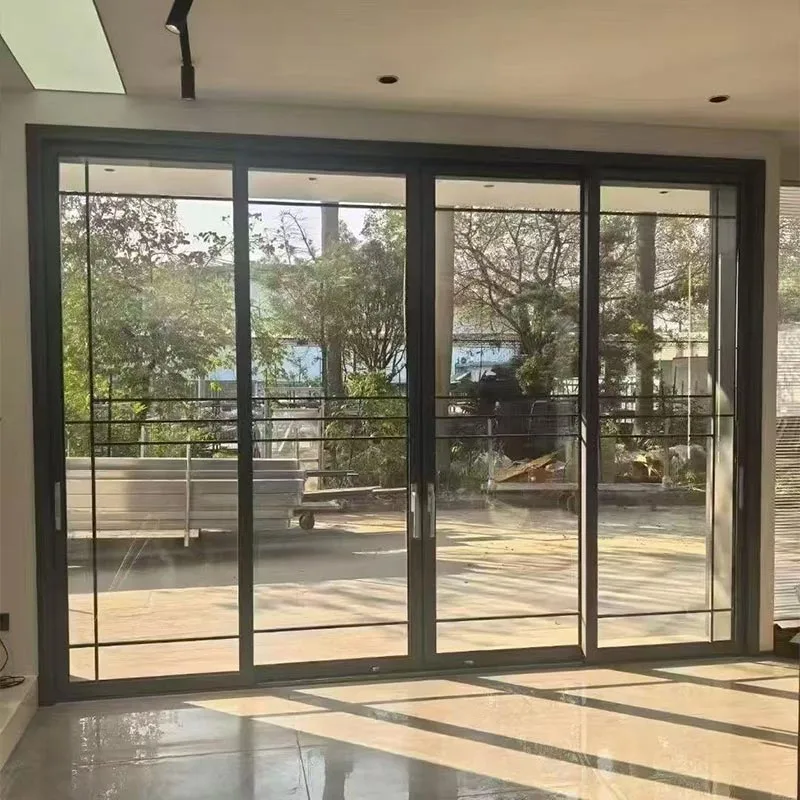
Differences in lifespan among different types
1. Ordinary aluminum windows and doors: The general service life is about 15 years, and some low-end products or improper maintenance may only last for 7-10 years.
2. Broken bridge aluminum doors and windows: The structure is more stable, with a lifespan of over 30 years. High quality products can even be used for 50 years in ideal environments.
3. Surface treatment impact: Doors and windows treated with advanced surface treatments such as fluorocarbon spraying have stronger corrosion resistance and can extend their lifespan to 20-30 years.
Service life of key components
The lifespan of the entire window is often limited by vulnerable components, rather than the aluminum material itself:
1. Aluminum profiles: The material itself is corrosion-resistant and will not rust or become brittle after long-term use for more than 30 years.
2. Sealing strip: prone to aging and hardening, usually needs to be checked and replaced after about 8 years, otherwise it will affect the sealing performance.
3. Hardware accessories: Core components such as handles and hinges are generally guaranteed for 10 years, and regular maintenance is required to prevent jamming during actual use.
The main factors affecting lifespan
1. Environment and installation: Coastal areas with high salt spray or industrial pollution can accelerate corrosion, and improper installation processes can lead to deformation or seal failure.
2. Daily maintenance: Regular cleaning and dust removal, avoiding corrosion from acidic and alkaline chemicals, and timely replacement of aging rubber strips can significantly extend their service life.
3. Profile quality: High quality profiles that meet national standards (such as wall thickness of 1.8mm or more) have stronger resistance to wind pressure and durability.
Send Inquiry
-
E-mail
X
We use cookies to offer you a better browsing experience, analyze site traffic and personalize content. By using this site, you agree to our use of cookies.
Privacy Policy