 English
 Esperanto
  Afrikaans
  Català
  שפה עברית
  Cymraeg
  Galego
  Latviešu
  icelandic
  ייִדיש
  беларускі
  Español
  Português
  русский
  Français
  日本語
日本語  Deutsch
  tiếng Việt
  Italiano
  Nederlands
  ภาษาไทย
  Polski
  한국어
한국어  Svenska
  magyar
  Malay
Malay  বাংলা ভাষার
  Dansk
Dansk  Suomi
Suomi  हिन्दी
  Pilipino
  Türkçe
  Gaeilge
  العربية
  Indonesia
  Norsk
Norsk  تمل
تمل  český
český  ελληνικά
  український
  Javanese
  فارسی
فارسی  தமிழ்
தமிழ்  తెలుగు
  नेपाली
  Burmese
  български
  ລາວ
ລາວ  Latine
  Қазақша
  Euskal
  Azərbaycan
  Slovenský jazyk
  Македонски
  Lietuvos
  Eesti Keel
  Română
  Slovenski
  मराठी
मराठी  Srpski језик


How Much Downtime Do Your Rolling Doors Really Cause?
When it comes to industrial and commercial spaces, the efficiency of operations often depends on the reliability of equipment. One area that often gets overlooked but is critical to overall productivity is the rolling door system. These doors are essential for warehouses, factories, parking facilities, and many other buildings where space management and security are key. However, how much downtime do these rolling doors actually cause, and what can be done to reduce it?
If your rolling doors are frequently malfunctioning, you may be facing costly downtime and disruption in your operations. But how can you ensure that these doors perform reliably over time? In this article, we’ll explore the impact of downtime caused by rolling doors, why it happens, and how you can minimize it to keep your business running smoothly.
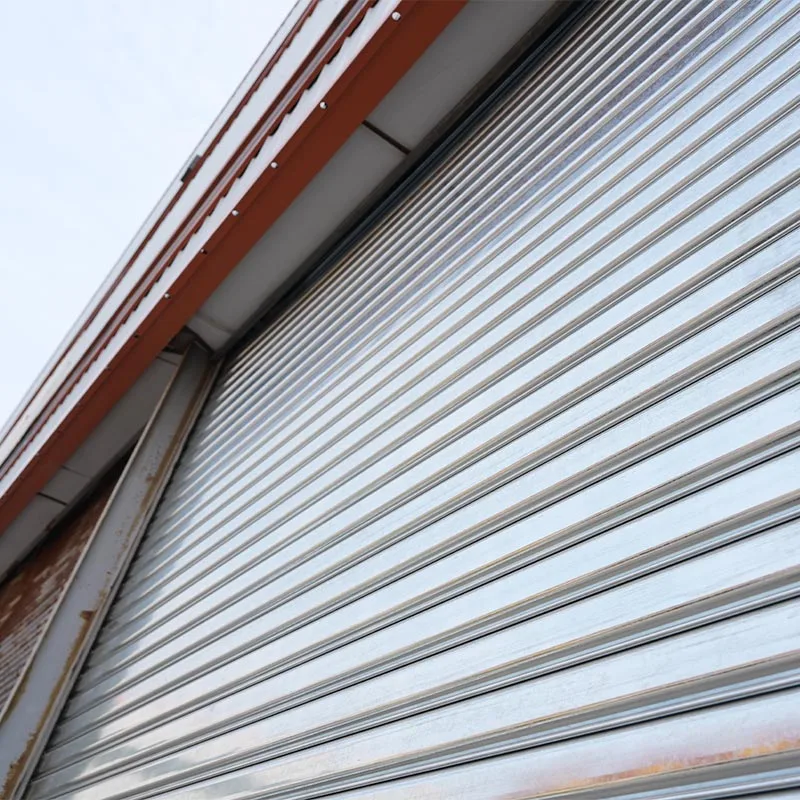
The Hidden Costs of Rolling Door Downtime
Rolling doors are often taken for granted until something goes wrong. Whether it’s an unexpected jam, motor failure, or the door falling off track, these breakdowns can result in costly downtime. For industries that rely heavily on the smooth operation of their rolling doors, these interruptions can lead to delays, safety hazards, and even financial losses.
For example, if a rolling door malfunctions at a loading dock, trucks may be unable to enter or exit, causing delays in deliveries. In a warehouse, employees might be unable to access inventory in a timely manner, affecting productivity. In some cases, frequent downtime may even lead to safety concerns, as broken doors can be a security risk.
Why Do Rolling Doors Fail?
Understanding the root causes of rolling door downtime can help businesses take proactive steps to minimize disruptions. There are several common reasons why rolling doors fail:
1. Wear and Tear
Over time, rolling doors experience regular wear and tear due to frequent use. The more often they are opened and closed, the more stress is placed on the components, such as the motor, springs, tracks, and rollers. As these parts deteriorate, the door becomes more prone to malfunction.
2. Improper Installation
If a rolling door is not properly installed, it can experience problems from the very beginning. Issues such as misaligned tracks, improper spring tension, and faulty wiring can all contribute to premature wear and tear or malfunction. A poor installation job can lead to ongoing issues and more frequent downtime.
3. Lack of Maintenance
Regular maintenance is essential for keeping rolling doors functioning properly. Without regular inspections, lubrication, and repairs, small issues can become larger, more expensive problems. Neglecting maintenance can lead to door breakdowns, causing unexpected downtime and costly repairs.
4. Environmental Factors
Rolling doors are often exposed to the elements, especially in industrial and commercial settings. Extreme temperatures, humidity, dust, and debris can all take a toll on the door’s components, causing them to degrade more quickly. Additionally, environmental factors like wind or water can cause the door to become misaligned or jammed.
Minimizing Downtime: Best Practices for Rolling Door Maintenance
The good news is that downtime caused by rolling doors can be minimized with the right practices in place. Here are a few key tips to ensure that your doors remain in good working condition:
1. Invest in High-Quality Doors
One of the best ways to reduce downtime is by investing in high-quality rolling doors from the start. High-quality doors are built with durable materials and designed to withstand the stresses of regular use. With better construction, they are less likely to experience premature wear and tear.
Shandong Mingjue Metal Products Co., Ltd., for example, produces durable rolling doors that are designed to withstand heavy use and extreme conditions. Their products are known for their robust design and ability to handle high traffic volumes, making them a great choice for businesses that rely on rolling doors to keep operations running smoothly.
2. Regular Maintenance and Inspections
Implementing a regular maintenance schedule is essential for minimizing downtime. Routine inspections should be performed to identify any issues before they turn into major problems. Common maintenance tasks include checking the alignment of tracks, lubricating moving parts, inspecting springs and cables, and ensuring that the door is properly balanced.
3. Quick Repairs and Upgrades
When a problem arises, it’s important to address it quickly. Delaying repairs can lead to more extensive damage, resulting in longer downtime. If the door is outdated or prone to frequent breakdowns, consider upgrading to newer, more reliable models. Upgrading to energy-efficient and more durable doors can save you money in the long run by reducing maintenance costs and improving performance.
A Comparison of Rolling Door Solutions
It’s useful to compare different rolling door systems to determine which one best suits your needs. Here’s a breakdown of key features that impact downtime:
| Feature | Standard Rolling Doors | High-Quality Rolling Doors |
|---|---|---|
| Durability | Moderate, prone to wear over time | High durability, designed for heavy use |
| Maintenance Requirements | Frequent, higher repair costs | Low maintenance, fewer repairs needed |
| Installation Quality | Varies, can cause early issues | Precise installation, fewer malfunctions |
| Energy Efficiency | Basic insulation | High energy efficiency, better insulation |
| Customization | Limited options | Customizable to suit specific needs |
As shown in the table, opting for high-quality rolling doors can significantly reduce the frequency of repairs and overall downtime. While they may require a higher initial investment, their long-term performance can save businesses time and money by reducing maintenance needs and extending the door’s lifespan.
The Role of Technology in Rolling Door Reliability
Modern rolling doors are equipped with advanced technologies designed to further reduce downtime. Some of the latest innovations include:
1. Automatic Diagnostics
Some newer rolling door systems come with automatic diagnostic tools that help detect potential issues before they cause a breakdown. These systems can alert users to problems such as motor malfunctions or misaligned tracks, allowing for prompt repairs.
2. Smart Controls
Smart controls for rolling doors can provide remote monitoring, allowing businesses to keep an eye on their door systems without needing to be physically present. This technology can help identify issues early, ensuring that downtime is minimized.
Conclusion: Minimizing Downtime for Better Productivity
In conclusion, downtime caused by rolling doors can have a significant impact on business operations. Understanding the common causes of rolling door failure, implementing regular maintenance practices, and investing in high-quality doors are all crucial steps in minimizing downtime. By choosing durable and reliable rolling doors, such as those from Shandong Mingjue Metal Products Co., Ltd., businesses can ensure that their operations run smoothly and avoid costly disruptions.
Rolling doors are a vital part of many industrial and commercial environments, and keeping them in good working condition is essential for maintaining productivity. With the right maintenance and proactive approach, you can significantly reduce downtime and keep your business running efficiently.
Send Inquiry
-
E-mail
X
We use cookies to offer you a better browsing experience, analyze site traffic and personalize content. By using this site, you agree to our use of cookies.
Privacy Policy